Happiness Based on Science and Positive Psychology

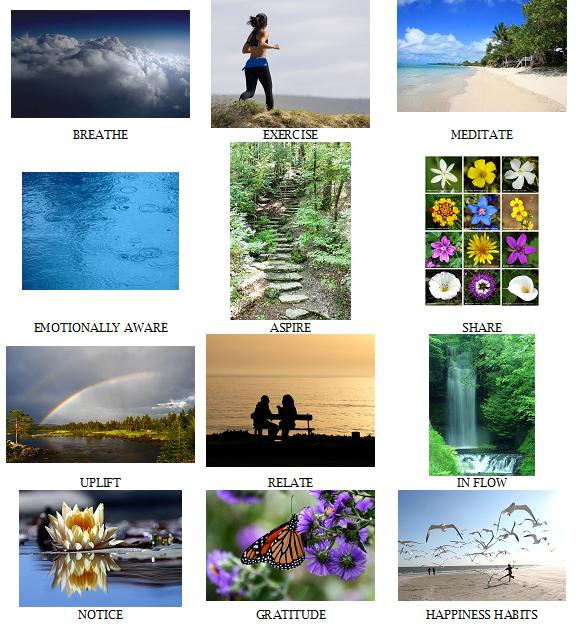
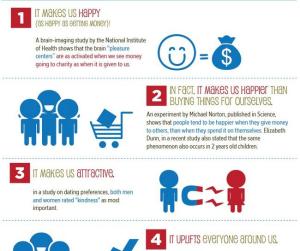
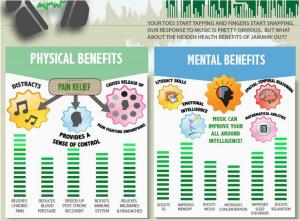
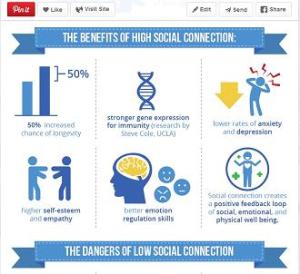
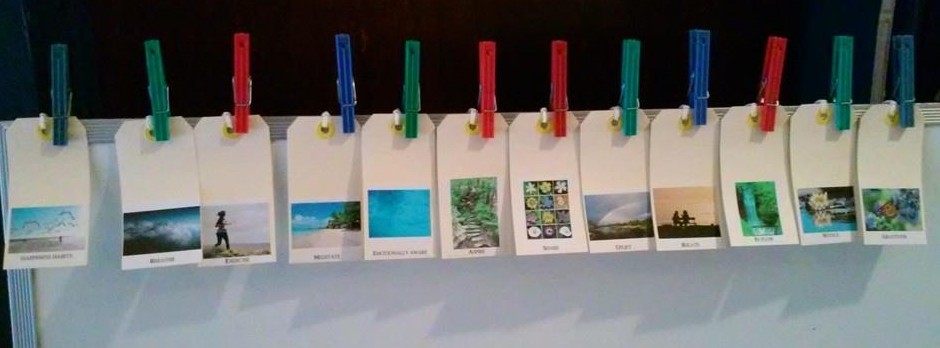
Can we increase our happiness quotient? Research in the science of Positive Psychology has identified factors that influence our happiness. See the amazing Benefits of 11 Happiness Habits in Infographics.  Sonja Lyubomirsky, a leader in the field of Positive Psychology describes some of her discoveries in the following video.

Martin Seligman pioneered Positive Psychology, and is the author of “Authentic Happiness” and other books. Authentic Happiness at the University of Pennsylvania uses the PERMA framework:

  • Positive Emotions
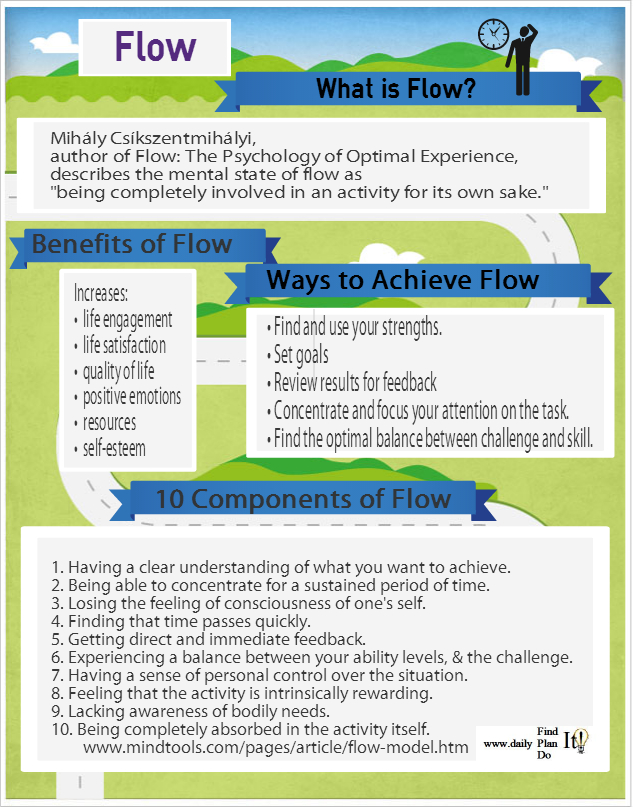
  • Engagement (Flow, using your talents)
  • Positive Relationships
  • Meaning (being involved in a cause you believe in)
  • Accomplishment

The Happify app uses a S.T.A.G.E. framework to build five key happiness skills. However, it is currently only available in iOS, and there is a subscription price. I’m an Android gal and look for free tools whenever possible!

10 Keys to Happier Living at Action for Happiness:

  1. Giving
  2. Relating
  3. Exercising
  4. Appreciating
  5. Trying out
  6. Direction
  7. Resilience
  8. Emotion
  9. Acceptance
  10. Meaning

Daily PlanIt Resources

Taking actions in these areas more often will increase happiness. See also Apps for Happiness and Personal Development.

Learn from Happiness Experts

Learn more with a free online course available at Edx called The Science of Happiness from Berkley’s Greater Good Science Center. There are also many practices at the Greater Good in Action.

Magazines & News:

Tagged with: ,
Posted in personal development

Make Good Habits Easy, and Bad Habits Hard

A written habit plan = a lot more success!

Download the Habit Worksheet (pdf)

A written plan for implementing a habit can increase the likelihood of forming it by 2 to almost 3 times, according to articles at Huffington PostAsian Efficiency. We are more likely to take small steps down a path that is clear.

1. SMART Habits are Specific, Measurable, Achievable, Relevant, and Time based.

2. Small steps: outline the steps that need to be taken. B J Fogg advocates baby steps in his book and TED talk. (links at the end of the post) He also has created a helpful tool called the Behavior Wizard.

3. Motivation: focus on the benefits. The benefit of a goal must exceed the resources required to obtain it. – read more at my post on The Economy of Goals. Employ the strategies to overcome procrastination at Tip the Scales To Master Motivation: Visual Strategies to Overcome Procrastination.

4. Add Incentives: Incentives can be positive (like rewards) or negative. Behavioral economics shows how things like accountability and social sharing can shape behavior. Watch the Dan Ariely TED Talk on Self Control to learn about incentives, and more about behavioral economics at Can You be nudged into saving money? from pbs.org.

5. Address Obstacles: if possible, remove temptations to fail, or have a plan for dealing with them. Make good habits easy, and bad habits hard. To increase a positive habit, remove obstacles. Shawn Achors’ 20 second rule says that lowering the barriers to change by even 20 seconds dramatically increases chances of success. To increase a positive habit, make it easier. See the interview with Shawn Achor, New Harvard Research Reveals a Fun Way to Be More Successful at Barking Up the Wrong Tree. If you want to exercise first thing in the morning, set out everything you need. To decrease a negative habit, add obstacles. Google decreased the amount of M & Ms employees were eating, simply by making it slightly more difficult. If you want to watch less television, remove the batteries from the television remote.

6. Resources: Review your available resources and obtain any tools needed.

7. Reminders: Remind yourself with a timer or automated reminders. Many habit tracker apps are available for smartphones and tablets that can help. I like the Loop Habit Tracker for Android, Strides may be a good one for ios. James Clear (author of Atomic Habits) recently released Atom. The Blip Blip Android app is a gentle hourly reminder, and reminders can be set in Google Keep notes.

8. Timing: decide when will it be done and link triggers to daily routines. Trigger a new habit by connecting it with other routine activities according to the desired time or frequency. Morning meditation after breakfast is an example of a trigger. A more frequent habit can connect with something you do more often, like taking a deep breath each time you take a drink of water. Read more about habit stacking from James Clear. Since willpower is a limited resource, tackle a new habit early in the day before it is depleted. Exercise earlier in the day provides feel-good benefits throughout the entire day.

9. Track data: How long it takes to establish a habit likely will vary depending on how difficult it is. One study showed on average, it took 66 days to form a new habit. Jerry Seinfeld’s Don’t Break the Chain Strategy is one well-known method for creating a habit. Each day that you do the task you have set for yourself, simply mark a calendar each day with a big red x. Then keep it going and don’t break the chain. Read more about Jerry Seinfeld’s Don’t Break the Chain Strategy from Entrepreneur magazine and a habit tracker guide from James Clear.

10. Review the results for feedback on how you are doing.

The words “resolution,” “habit,” and “goal” are sometimes used interchangeably, but there are differences. An understanding of what habits are is helpful before beginning to plan for behavior change.

Goals are an end toward which effort is directed. They add value in a life area, and they have a clear end-point.

Resolutions are a declaration of our firm decision to do or not to do something. A typical resolution is not very SMART.

Habits are acquired behavior patterns that are regularly followed (for good or ill.) They may be something you want to start (positive) or stop (negative). While creating or changing a habit can be a goal, they are something we want to continue indefinitely, so habits have no clear end point. Have a sustainable plan for a lower intensity after a habit has become well established, and move on to other things.

MORE PRINTABLE HABIT TRACKERS

SeinfeldCards

3 Steps of Habit Change

The Power of Habits” by Charles Duhigg, TED talk The Power of Habit. The author shares a flowchart at his website that outlines the 3 steps of habit change: Pick the cue, choose a reward, execute the routine. Learn more about the Science of Willpower at the Science of People.

Pairing and Personality Type

Gretchen Rubin, author of “Better Than Before,” describes how personality type can effect our approach to changing habits in Breaking Bad Habits from Parade Magazine. Take her quiz here. Pairing is a strategy that couples two activities, one that you need or want to do and one that you don’t particularly want to do.

See also: How to Build Good Habits at Sparring Mind, Habit Stacking from Farnam Street, 6 Best goal-tracking apps that will kick your butt from Today.com

Use visual strategies to overcome procrastination and get motivated. Learn more at the Science of Goals Infographic and What’s the Motivation? from the Daily PlanIt

Books, TED talks, and videos

Amazon affiliate links to books provide a small commission that helps to support the Daily Planit.

More videos at the Habits & Motivation Youtube playlist

Tagged with: , , , , ,
Posted in Ideas That Work

Change Your Mindset

A mindset is a set of beliefs that influences how we navigate the world. There are several helpful mindsets that you can adopt. A growth mindset is one that is well known, and more are listed below:

  • Growth Mindset – believe in ability to learn and grow
  • Remarkable (Excellence) – focus on strengths and improvement
  • Action oriented – employ high agency to influence life
  • Creative Mindset – make art and find imaginative solutions
  • Experimental – try new things
  • Determined (Grit) – persist through tough times and tasks

[Books purchased through Amazon affiliate links below provide a small commission that helps support the Daily PlanIt.]

Mindset

In “Mindset” by Carol Dweck, and her TED Talk The power of believing that you can improve, she describes her research on two mindsets. The fixed mindset is based on the belief that intelligence and other traits are unchanging: either you have them or you don’t. The growth mindset is based on the belief that intelligence and other traits can be developed with effort. The great thing about this book is that simply being aware of the two mindsets and the results of holding them helps us to reframe our thinking. People with the fixed mindset avoid challenges, which could result in failure and reveal a lower level of desirable qualities. People with a growth mindset do not fear failure, as they view it as an opportunity for learning.

A growth mindset does not say we can be anything we want with enough time and hard work, but that the hand you are dealt is just the starting point for development. We do encounter limitations, and some people may have more natural talent in various areas that makes it easier for them to develop in those areas. However, most people who at excel at something put in a lot of time and work to get where they are.

MASTERING a growth mindset

Mistakes are learning
Accept feedback
Skills can be learned
Time and effort are required for learning
Embrace challenges as opportunities for growth
Realize that uncertainty comes with challenges
Include inspiration from the success of others
Never give up: be determined to persevere
Get growing!

Mindset Resources

Remarkable or Excellence Mindset – Videos at Big Think: Will Guidara on Become excellent, be unreasonable, and another on How to Build a Success Mindset

Action oriented, high agency Mindset – George Mack High Agency in 30 minutes, a Proactive Mindset at becomingbetter.org, see Develop Agency

Creative Mindset – “The Creative Mindset” by Jeff and Staney Degraff, see the Creative Pathway at Engaging Creativity and Get Creative

Experimental Mindset – “Tiny Experiments” by Anne-Laure Le Cunff, see An Experimental Mindset

Determined or Grit Mindset – “Grit” by Angela Duckworth, see The Wimpy Person’s Guide to Grit

See also 6 Rs of Resilience and Flying Into the Learning Zone. Find more TED talks by authors at TED talk book discussion

Tagged with: , ,
Posted in Books, personal development

10 Books That Have Stayed With Me (and why)

Recently I was tagged in Facebook to list 10 books that had an impact on me. After I made my list, I read somewhere that it becomes more interesting when you describe WHY certain books stick with you.  I included some from various stages of my life, but all of them either made me feel strongly about something, took me into a different world, or I learned something life-changing.

It was really hard to limit to 10, but here are the ones I chose:

  1. “The Four Agreements” by Don Miguel Ruiz (because these are my guiding principles. I own all his books, and there are many markers sticking out of all of them.)
  2. “Pride & Prejudice” by Jane Austen (because of Austen’s amazing insight into people, and the way she threads wit into the words as she describes a life of gentility that sadly no longer exists. I picked up a copy at a garage sale when I was in high school and was hooked. This one has been re-read countless times.)
  3. “Rich Dad, Poor Dad” by Robert Kiyosaki (because he explains the importance or thinking like an entrepreneur)
  4. “All About Love” by Bell Hooks (because she explains about actions that are loving, and those that are not)
  5. “The Highly Effective Detective” by Richard Yancey (because it was much deeper than I originally thought, and I found it very touching)
  6. “Veritas” by William Lashner (because it was a great story. I love his acerbic style too.)
  7. “Ragtime” by E. L. Doctorow (because I admire this intriguing style as different plots are inter-twined)
  8. “Little Big Man” by Thomas Berger (because I was drawn into another world. This one became quite overdue in my locker in high school)
  9. “The Moon is a Harsh Mistress” by Robert Heinlein (one of my first forays into science fiction. again, a journey to another world: one where a computer can become a character you care deeply about)
  10. “Horton Hears a Who” by Dr. Seuss (because I learned about loyalty)

That’s the power of why!

An analysis of the 100 books that Facebook users love is pretty interesting too.


Tagged with:
Posted in Ideas That Work

Design Your Life Like an Architect

Earthships at wikipedia

Earthships at wikipedia

People enjoy living in spaces that are attractive, efficient, and comfortable. My favorite television shows are the ones where they design homes on the Home and Garden channel.

“Without leaps of imagination, or dreaming, we lose the excitement of possibilities. Dreaming, after all, is a form of planning.” — Gloria Steinem

When I saw this quote from Gloria Steinem posted by Success Magazine, for a moment I thought the word planning said playing. For me, it is true: dreaming is a form of playing, and planning is a form of playing. I think creating different designs; whether it is combining different ideas, words, or images of home design is the greatest possible fun! Ultimately, actually making the ideas into reality can be challenging. That is the part that takes effort and work.

This quote courtesy of @Pinstamatic (http://pinstamatic.com)

As I have explored ways to find purpose, I discovered what John Gardner said in a speech: “Meaning is not something you stumble across, like the answer to a riddle or the prize in a treasure hunt. Meaning is something you build into your life.” This means if you aren’t sure what your purpose is, you can build it.

To design your life like an architect:

Start with a Dream: what would your ideal life look like? How big will it be? Where do you want to build it? How will it be unique and different from all the other ones? Why do you want to include certain design elements and not others?

File:Earthship plan with vertically glazed southern wall.svg

By Felix Müller (Own work) [CC-BY-SA-3.0 (http://creativecommons.org/licenses/by-sa/3.0)%5D, via Wikimedia Commons

Design a Plan: what building blocks do you have? Will you make renovations or start from the beginning? Is the project one that you can afford with your budget? How can you build it strong and able to handle stress? What are the best ways to make it efficient? How can you design a life that inspires creativity? How can you design a life that combines safety with inspiration and challenge? What are the dimensions? What can you build that will make a difference when you are gone?

BUILDING BLOCKS: CHARACTER – PHYSICAL HEALTH – SOCIAL SKILLS – WORKPLACE SKILLS

Build It: do the work to create the experience you want to design. Blueprints won’t give you shelter, or leave anything lasting behind! Get the right tools and skills you need for the job. Then pour the foundation, hammer those nails and paint the walls. Furnish the rooms with what you need. Don’t forget to stretch a little bit out of the comfort zone.

In construction, you have to follow building codes and specifications exactly, or your final result will not look at all the way you planned. In life, I’m learning that it’s okay to get started without knowing exactly what the final result will look like. You can begin with only a general idea, because you will probably learn things along the way and make changes. Life is actually not set in concrete or stone, so the important thing is to get started, and be willing to play around with ideas while you build. The movie “Life As A House,” also makes this point.

Designing Your Life” by Bull Burnett and Dave Evans, TED talk 5 steps to designing the life you want. The first step is to connect the dots between who you are, what you believe, and what you do. Start at Discover U in Ten Steps. Amazon affiliate links provide a small commission that helps to support the Daily PlanIt.


Tagged with: , , ,
Posted in personal development

Free eBook: How to Start a Fire

Words added on pinwords.com

How to Start a Fire: Find what you are passionate about and focus the flame

Discovering what you are passionate about can be challenging. I’ve gathered lots of great tools to help in a free eBook called “How To Start a Fire: Find what you are passionate about and focus the flame.” (Download the How to Start A Fire pdf) This short guide is full of the very best tools I have found to discover what you are passionate about and focus the flame for a purpose that is meaningful to you. While I have not discovered a magic formula, there are helpful ways to look for clues. We shine when we connect with this powerful renewable energy source! The links to online tools can also be found at Uncover Hidden Talents and the Discover U Tookit at Wakelet. Find the Discover U series here.

Help make the world a brighter place: explore and share the information in “How To Start a Fire.”

GlasowQuote

Tagged with: , , ,
Posted in Ideas That Work, personal development

Whole Life Fitness

Whole Life Fitness is a fun and simple way to develop strengths in all dimensions. It’s  compasspersonal development for busy people.

The world faces an energy crisis. Levels of engagement at work are abysmally low (only 29% in the U.S. and 13% worldwide are actively engaged at work according to Gallup Surveys!), and few people know what they are passionate about. It’s not too surprising that many employers say applicants are lacking soft skills like communication, creativity, and collaboration. The very skills that employers say they want, are not often taught.

Our brightest stars do not learn how to shine, but instead are becoming dimmer as they are drained of energy. I believe this should be changed, and take a stand for teaching skills and developing the strengths that people need. If you agree, please join us and make a difference. The world becomes a little darker every day, and we must fight back to increase the light by connecting with our greatest renewable energy source. Let’s open the door to a brighter future!

lightCrackUnderDoor

Start a Whole Life Fitness group to learn from personal development experts with informative videos, hands on activities & discussions of ideas in meetings with monthly topics based on a Year of Personal Development. This framework could work well for organizations involved in workforce development, community assistance, and career & life coaching.

Be a star! Learn to shine! Develop your strengths with Whole Life Fitness.

WLF

You can’t help but learn skills if you do the weekly activities in twelve topics for a year of personal development. And if you join others for a monthly meeting on the topics, you will connect with others interested in continuous learning and personal development to learn even more.

WLFmanifesto

The goal of Whole Life Fitness is to light up the sky with stars.

While I love Coldplay, the lyrics of “Sky Full of Stars,” may not completely fit this movement. Do you think “Shine” by Take That is a better choice for our theme song? Let us know at the Daily Planit Facebook page!

To summarize, Whole Life Fitness is:

  • A way to develop strengths in all dimensions. A solution for learning the skills needed to succeed and creating more engagement at work through personal development.
  • A meeting that combines informative videos, and hands on activities to discuss ideas from personal development experts.
  • Based on topics from a Year of Personal Development: Mental, Emotional, Spiritual, Physical, Relationships, Social, Financial, Organizational, Recreational, Career, Character, Purpose.
  • Personal development for busy people, to discover talents and learn skills like communication, setting goals, time management, and understanding emotions.

Join us in the fight to amp up energy levels and save the planet!

Tools to Get Started

Good luck on your journey!


Tagged with: ,
Posted in personal development, work skills

How to Make a Difference

If you have a cause you are passionate about, or a problem you want to solve to make the world a better place, this Checklist for Change can help with information to outline a plan for change.

I developed a Printable Checklist for Change (pdf). The Daily PlanIt Change Toolkit provides links to tools for the steps and  includes a Change Outline.

CHECKLIST FOR CHANGE

CLARIFY THE IDEA

  • Choose a name that describes what the idea is about.
  • Describe the primary purpose. What is it for, how does it work, what are the features?
  • Identify the Value Proposition. What are the unique benefits offered?
  • Identify the Pain Point? What problem is solved?

COMMUNICATE

Clear and compelling communication of the idea is essential to get the message out, reach people who care and get them involved. Start by giving some thought to develop a brand to use for marketing.

  • Choose images and colors that best convey the idea.
  • Choose a song that conveys the idea.
  • Make a Manifesto of the core values.
  • Think of a story that captures emotions. What inspired your idea?
  • Think of a slogan or tagline. Why do you want to solve the problem, what would you put on a tshirt?
  • Create a compelling, convincing video or presentation to pitch the idea.

TEST ASSUMPTIONS

  • Research to find statistics that support the need for the idea.
  • Run surveys or focus groups to discover if there is really a need or desire.
  • Test the effectiveness of the branding for communicating the message.
  • Choose the metrics you will use to measure success. What will success look like?

BUILD COMMUNITY

  • Identify the target market or audience. Who are you serving and who will help? Where will you find them?
  • Choose the channels you will use. How will you reach people? A blog, social media, videos, meetings, newsletters? Will you sell products that tie in: books, courses, tshirts?
  • Develop tools to help spread the word and form groups to support the idea.
  • Look for a group of energetic core leaders who can present ideas well. Gain input from early adopters and true believers. Put out a call to action and form a leadership team.

SUSTAINABILITY

  • Decide on for profit or nonprofit status. Do you want to raise money?
  • Identify the costs that will be involved. What resources will be needed to provide this?
  • Identify sources of income to pay for costs. Will you sell tshirts or other products?
  • Think of possible partnerships. Are there existing groups or organizations that could be a good fit? What are the benefits of connecting with them?
  • Research the competition. Who are they, and what are their strengths & weaknesses?

LAUNCH

Build a launch around an event, a manifesto, a video, or a webinar.

GROW

Continue to build community.

Find tools for change at the Change Toolkit.


Tagged with: ,
Posted in Ideas That Work, personal development

Change Toolkit

Is there a cause you are passionate about, or a problem you want to solve to make the world a better place? This Change Toolkit provides links to tools to develop a plan of action to advocate for change. I’m sure there are more tools out there, if you know of some please share them at the Daily PlanIt Facebook Page.

ChangeChecklist

I developed a couple tools of my own while working on a plan:

ChangeOutline

CLARIFY THE IDEA

COMMUNICATE

Develop a brand to use for communicating your idea or vision in a way that is clear and compelling.

  • How to Create Your Own Manifesto at Bright Spark Media.
  • Seven steps to the perfect story from the-cma.com.
  • Tell Me a Story (and lots more) at Metropolitan Group.
  • Remember to Start with “why” -See the TED Talk by Simon Sinek listed below.
  • Links to learn about creating presentations.

Design for contagion.

All these elements should be as captivating as possible.

Consider the Success Model from Made to Stick by Chip and Dan Heath.

And the Stepps Model from Jonah Berger’s “Contagious: Why Things Catch on.” See also Press Play for an Appealing Brand Message.

TEST ASSUMPTIONS

BUILD COMMUNITY

Target market or audience demographics: male/female/married/single/ages/employment/geographic location

Choose Channels to reach the target market

  • Graphic of possible channels to reach the target market from thesavvystrategist.com
  • Create an online newsletter with Flipboard

Create resources to spread the word and form groups to support the idea. Resources I’ve been working on for Whole Life Fitness include a brochure with meeting ideas, links at the Daily PlanIt Wiki, a Youtube playlist, a flyer, and a bookmark.

Resources to start a group

1. Choose a method:

2. Choose a time, date, and place

3. Invite others (Create an event, a flyer at http://www.printableflyertemplates.net/, make Brown Paper Tickets)

LAUNCH

TED Talks

The Leading Change playlist at Youtube includes all the videos mentioned, plus a few more.

Articles

Tagged with: , ,
Posted in Ideas That Work

To Be You or Not To Be You

…That is the question.

When I first began this blog, I followed a wonderful blog written by Kathy Sierra. It was called Creating Passionate Users, and had the most amazingly creative articles I’d ever seen. And then something happened to her I could hardly believe. She was viciously attacked, threatened, and harassed, to the point she had to shut down the blog. I still find it difficult to understand why the people behind it would do this. To be honest, it really scared me. I’m by nature a pretty cautious person, so I was very reluctant to share personal information on my blog anyway. What happened to Kathy served to reinforce this decision. Something equally awful could really happen to anyone.

But now I keep hearing about the importance of sharing your own personal story. I was touched when I watched Brene Brown’s TED Talk on being authentic. People want to connect with real people, who are authentically being themselves. My friend Phil Gerbyshak wrote about this in an article about advice he received: “Be More You” at Speakermagazine.com. Has the time come to come forth, be brave and be me?

As I worked on developing a story for creating a movement to build strengths through personal development, I channeled a character named Arty. She is very strong, a little bit of a rebel, and courageously fights against the forces that are robbing the earth of light. She is the person I’d like to be, the alter-ego to my real life Clark Kent persona of mild mannered former librarian. So here, in an unprecedented leap of faith and act of bravery, is the first ever photo on this blog of the real me-Rosemary Rice. I’d like to take this opportunity to thank you for being here.

Me@desk

Be You Part Deux

Some time ago my local newspaper did a survey asking readers what they liked best about the paper. I was surprised to discover that my responses were nothing at all like the majority. That was one of my first clues that I was just a little, well, different.

Then there was the time when my co-workers convinced me to join their team for Walk Kansas. Walking was something I frequently did and enjoyed, so I thought “why not?” I quickly discovered because I *had* to do it, all the joy was completely sucked out of it! I think that’s why I have never taken dancing lessons. I like to dance, but I like to do it my own way. So I actually do have that subtle streak of rebelliousness in me.

Gretchen Rubin discovers during her Happiness Project, that what’s right for her is different than what’s right for lots of other people. And that’s okay. “Be Gretchen” she says. Be You. And I’ll be me. Our differences are what makes the world an interesting place.

To stand out, is to be a little bit different in your own unique way. Unless you want to be “Just Another Girl.” (or guy). The answer is yes…be you, the best you, the most authentic you.

Tagged with: ,
Posted in personal development
eBooks

Enter your email address to follow this blog and receive notifications of new posts by email.

Archives
Blog Stats
  • 745,887 hits