The Power of a Pause for Positive Shift

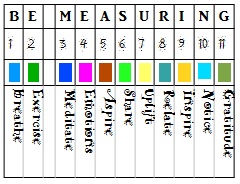
Positive shift happens when we practice the building blocks of positive psychology. The first letters of the practices that have been shown by research to increase happiness and well-being, happen to spell BE MEASURING. (although it is not usually important to measure them.) The building blocks divide into four areas, with three in each area. These 4 Ps of positive shift are: Power Up, Pause, Purpose, and People.

bemeasuring

Many of the building blocks are quite simple and easy, although some take a little more time and effort. Either way, even when we know that they are important to our happiness, we still often fail to make them happen. We may be so busy that we are distracted by other things. Or we may not know enough about how to implement them, or about the science that demonstrates the benefits of practicing them. My goal is to show you how to make positive shift happen with persuasive evidence of the benefits and a simple plan to add them into your life.

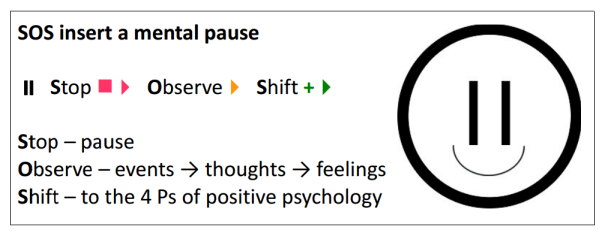
Positive shift begins with the power of the pause. SOS is a method used to manage emotions that works like this…

Stop Observe Shift +

Stop – pause
Observe – events → thoughts → feelings
Shift – engage coping skills

The SOS method can be used to insert a mental pause in the seconds before the brain is hijacked by chemical flooding in response to situations that we perceive as threatening. When chemical flooding occurs during a fight or flight response, access to the thinking part of the brain is cut off. It can take 20 minutes to return to normal. When we use the SOS method, we can stop and notice what our body is telling us, and identify our thoughts and feelings. We can then shift to engage coping skills like taking a walk, deep breathing, and disputing irrational thoughts. By inserting a mental pause to add calming techniques and thoughts, we can respond appropriately. This method can be used to make all kinds of positive shift happen. To apply the power of the pause for a positive shift looks very similar:

Stop Observe Shift +

Stop – pause
Observe – events → thoughts → feelings
Shift – to the 4 Ps of positive psychology

With a regular pause, we gain the ability to notice what we are doing, and then choose the right shift from the 4 Ps of positive psychology.

Make Positive Shift Happen

Shift to the positive. Practicing the building blocks is a positive choice. Despite the difficulties and distractions of life, improvement is always an option. Even when times are hard, the building blocks are coping tools that will help.

Shift between the 4 Ps of Positive Shift with the power of the pause. Notice when it may be time to shift your focus to another area. Some of the building blocks require an inner focus, like meditation. Others, like relating and noticing, require an outer focus. Shift from inner to outer focus as needed.

Shift between time perspectives. Many of the building blocks have a focus on a positive present. But for some, a time perspective shift is needed. To aspire to a goal is to look forward to the future, and to notice a happy memory is a positive look back to the past. Shift as needed between your inner child for playfulness and creativity, and your inner adult for self-discipline and strength.

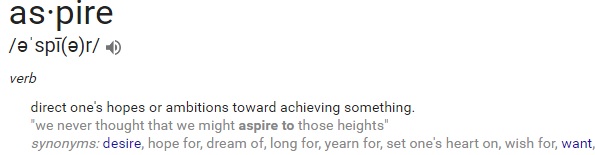
aspiredefinition

Shift to follow values. The Purpose building blocks of Aspire, Inspire Flow, and Spirituality require knowing yourself and the value you provide. A value statement or personal mission statement that pinpoints what you do and why is a power tool for focus. Learn how to map your values and more with the Brand and Purpose Toolkit.

Shift to GREAT skills. When you learn and follow the practices within the BE MEASURING framework, you gain a richer personal life and GREAT skills that are in demand in the workplace. The GREAT skills of Goal Setting, Relationships, Emotional Intelligence, A+ Communication Skills, and Time Management Skills, are all part of the building blocks.

The Power of the Pause

“Between stimulus and response there is a space. In that space is our power to choose our response. In our response lies our growth and our freedom.” – Viktor Frankel

Life goes by in such a rush that it is easy to forget about the power of a pause. With a pause we can savor the sweet taste of ice cream, or take a deep breath. With a pause we can consider whether the best choice is an excuse or a goal. With a pause we can think before we react. In the moment that we notice, lies the potential for change. The more we practice awareness, the more we have the ability to pause and make a shift.

Two of the building blocks increase the area of the brain responsible for executive functions, and strengthen our ability to stop, observe, and shift as needed. Use the three step process of SOS for a powerful pause that makes all kinds of positive shift happen.

Posted in positive shift

Sharing is Caring

Sharing is the way to create and develop relationships with others and to make a contribution. It is one of the building blocks of positive shift that happen to spell BE MEASURING.

Share simple gifts. Have ideas prepared and ready to go.
Help a cause by giving.
Add activities and games. See Don’t Wait, Relate to find ideas, and have some ready to share with others. Act to schedule a time to get together with family or friends.
Reserve time to volunteer.
Entertain. Have a special place for recipes that you like to share with others.

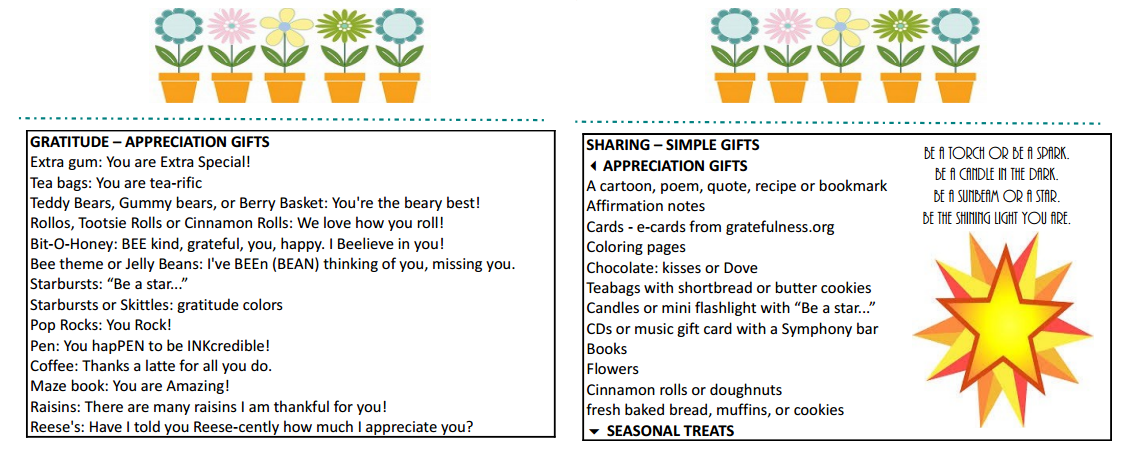
The following ideas for simple, inexpensive gifts are easy to share to relate with and uplift others.

Simple gifts 

A “share file” makes it easy to give simple gifts. A free downloadable pdf – a Share File with 3×5 cards includes:

  • Simple Gifts
  • Handy Muffins
  • Appreciation Gifts
  • Random Acts of Kindness
  • Entertain – Menus & Seasonal Treat Recipes

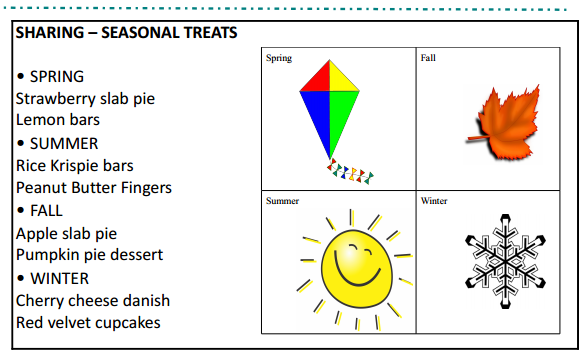
SeasonalTreats

Recipes for Seasonal Treats:

Recipe for handy muffins at allrecipes.com.

Sharing is a building block of positive shift, one of the practices that have been shown by Positive Psychology to increase happiness and well-being. Sharing is caring, and caring is sharing!

Tagged with: ,
Posted in positive shift

Know Your Target Audience

A brand is all about communicating in a very targeted way, regardless of whether for a business or on a more personal level. A brand is about getting very clear on purpose, promise, and personality to deliver a consistent position. A brand connects a carefully crafted message about what you offer with the people who need it.

CustomerPersona

To know your target audience, develop a persona or profile that includes the demographics, psychographics, personality, and motivations of those who need what you offer. Download the Customer Persona pdf.

Some information can be located with research, or you can ask with focus groups, interviews, and surveys.

Resources

When you know your target audience, you can reach out to them with content that communicates the value that you provide and how it helps them. You can design and deliver a delightful user journey that meets their needs.

Posted in Ideas That Work, information management

Always Be Communicating Value

The goal of branding is to always be communicating value. It is also an important part of defining a clear promise in a mission statement. The most effective marketing concentrates on how a product, service, or individual meets needs. That is the value that you provide, and that is the best way to interest people in what you have to offer.

Ultimately, people always want to know the benefits and value for them. (what’s in it for me?)

The examples below outline the features, benefits, and value provided by a product, service, and an individual.

Features.Benefits.Value

Features are how it works. Features are distinctive characteristics. For a product, the features are what it is, for a service, the features are what it does. For a person, features are often what they do, especially expertise or skills, and personal characteristics. Shine a light on features by all means, but be sure to be crystal clear about how the features help to meet needs.

Benefit-Value

Benefits are about how it helps. The Value is about the needs that are met.

ShaveTime.ShaveMoney

My favorite brand example is Dollar Shave Club. Their tagline goes straight to the value that they provide. Dollar Shave Club delivers quality razors…to provide convenience at a fair price…so you can shave money, shave time. (and avoid hassle) If you look at their online shop, to be sure features of the service and products are described. Their handle is: Sleek, matte black finish, Designed for a balanced hold, and Easy to grip in or out of the shower. They are designed for the benefits of comfort and control. Ultimately, what you want most is the value they provide: to shave time and money.

Use (this feature)….to gain (this benefit)…so you can…(meet a need for this value)

Coca-cola is a tasty drink…to satisfy your thirst…so you can open happiness.

Listerine is a mouthwash that kills germs….to give you fresh breath…so you can get a date.

Life insurance pays money if you die…to provide for your loved ones…so you can have peace of mind.

Dave Ramsey provides education for financial literacy…to teach best practices for managing money…so you can have hope.

Download the Features & Benefits pdf for more examples.

For a personal brand:

Collect concrete examples and testimonials. Look at

  • Projects
  • Accomplishments
  • Skills
  • Expertise

Use CARE to look for times when you faced a…

  • Challenge and took…
  • Action for a…
  • Result to find…
  • Examples.

The STAR technique is similar way to tell a story of accomplishments. Describe the Situation, Task, Action taken and Results. Showcase your homerun accomplishments and highlight their value with numbers when possible. For example: “reduce training time by 50% with interactive training program.”

Quanitify results with numbers: how much, how big, how many…

  • Saved, served, sold, supervised
  • Time
  • Amounts
  • Money made
  • Percentages

Design Creative marketing materials that express Personality and the Promise

Connect with emotion: Focus on benefits, Aim at the heart, Communicate your why, and Tell your story. Learn how to Capture attention in Step Three of Marketing U. Next, for Step Four: Design and Deliver a Delightful User Journey

Learn more

Remember to always be communicating value – concentrate on the value of the benefits you provide. The Daily PlanIt shares insights and information to build skills so you can succeed.

Tagged with: , ,
Posted in Ideas That Work

Seven Beats of Brand Storytelling

Effective brand storytelling aims at the heart. Seven stories that brands can tell for heart BEATS are:

  • Beginnings & Behind the scenes
  • Explain & Excitement of the mission
  • A Cause
  • Tell Customer stories
  • Seasonal

Beats

BEGINNINGS This story about how LEGO began is highly engaging.

BEHIND THE SCENES Warby Parker shows how they make glasses.

EXPLAIN The founder of Dollar Shave Club demonstrates the brand personality as he explains why “our blades are f***ing great!”

& EXCITEMENT This “Think Different” ad from Apple captures the excitement of their mission.

A CAUSE 4Ocean works to solve the problem of plastics in the ocean.

TELL CUSTOMER STORIES “Building Better Stories” highlights how students benefit from services at LiteracyKC.

SEASONAL Haford Hardware captures the spirit of the Christmas holiday with this one.

And there you have the heart BEATS of powerful brand storytelling.

Tagged with: ,
Posted in Ideas That Work

Emotional Brand Storytelling

The most effective brands commuciate with stories that are emotional. They aim at the heart.

AIM

Five ways to aim at the heart are:

  • Humor
  • Engage
  • Animals
  • Reveal
  • Tearjerker

HUMOR Cube Pillow uses humor to simultaneously entertain and inform in this commercial.

ENGAGE Google’s “Loretta” tells a bittersweet story as it shows how it works.

ANIMALS Budweiser effectively combines a puppy, Clydesdale horses, and storytelling in a series of ads. Another commercial, “Someone waits for you at home,” conveys a message through storytelling.

REVEAL Novelty and surprise can be very attractive to humans. See how Guinness combines a heart-warming message with surprise in this commercial.

TEARJERKERS Thai Life Insurance has mastered the art of heart wrenching storytelling. (see their channel for more examples)

Brand storytelling often targets positive emotions, but a bonus letter T can be for the negative emotion of TERRIFY, like in this commercial about the Real Cost of smoking.

Metro chooses a more humorous way to communicate a safety message in “Dumb Ways to Die.”

The Creative Commercials Youtube playlist includes these and more examples.

Additional reading: The relationship between emotion, marketing, and sales at tommy.ismy.name.

Storytelling is a powerful way to communicate. How can you aim at the heart in your stories?

Posted in Ideas That Work, information management

The Power of Telling Stories

“He would be there all night, and he would be there when Jem waked up in the morning.” Did you recognize the last line of Harper Lee’s classic story, “To Kill a Mockingbird?” To speak about story telling, what better way to lead than with the number one choice in the Great American Read, and the book found at the top of Novels Everyone Should Read from Information is Beautiful? This one sentence summary from the Famous Film Plots Generator, describes the story well: Atticus Finch, a lawyer in the Depression-era South, defends a black man against an undeserved rape charge, and his children against prejudice. Told from the point-of-view of young Scout, the story begins like this: “When he was nearly thirteen my brother Jem got his arm badly broken at the elbow.”

Stories Are Powerful

Stories provide meaning. Stories entertain, engage, teach, and connect us with others. They describe moments of transformation and realization. Good stories capture and hold our attention, and make us care.

The Elements of Powerful Story Telling

All stories need the following parts.

PURPOSE – why the story matters. What is the message? A story has a meaningful theme or main idea.

PEOPLE – who the main characters are. What makes you care about them? Characters seem real when they make mistakes, struggle, and overcome adversity.

PLOT – what happens on the journey. What events take place? Create scenes that grab attention, explore themes, and advance movement.

PERIL – what could be lost or gained. What struggles are faced? Without conflict, there is no story. Action and adventure add tension.

Also important to include in a story are:

PLACE – where the story takes place. What is the setting of the story? The time period and setting can convey tone.

PASSION – the emotion that fuels purpose. What do the main characters want? Characters are motivated by a desire.

PERSONAL – what it means for the reader. How does the story help them? CARE – use a conversational tone, add value for them, make it relatable by connecting with emotions.

PICTURES – what it looks like. How do descriptions bring the story to life? Touch on the senses to paint a vivid picture with words.

Download the Storytelling Venn Diagram pdf

In Ten Ways to Use Storytelling to Improve Your Ability To Connect and Communicate, Sarah Peck says, “A story is what you take with you.” Think of a story that you have loved, and what you took away from it. She also says that we tell stories (and I would also add read, listen, and watch stories) to connect, dream, and imagine. Sometimes we want to go on a journey to a place we have never been, or to see how others experience the world. We may want to learn about something we never thought about before, or maybe just escape for a little while. Whatever the reason, when a story captures our attention, it is a powerful way to communicate.

More Information

Learn more about storytelling at Emotional Brand Storytelling and the Seven Beats of Brand Storytelling. See also the Brand and Purpose ToolkitReading Comprehension Cubes at Phonics Pow, and the Storytelling Pinterest Board. Learn The Simple Way to Create a Compelling Talk. Tell Your Story is part of the Discover U series.

Learn more about storytelling:

TED Talks + Books (Amazon affiliate links provide a small commission to the Daily PlanIt):

Examples of terrific storytelling:


Posted in Ideas That Work, information management

Design and Deliver a Delightful User Journey

UserJourneyGraphic

It is a journey that we have all been on as we attempt to solve a problem. We seek answers, consider options, and make decisions about the best solution. When we succeed and discover a product or service that meets or exceeds our needs, we are delighted and eager to repeat the experience.

The first step in the journey is AWARENESS. The user becomes aware of pain, and needs to resolve a problem. This need can be met with IKEA: Intigue them, Know user needs, Educate and entertain, and Attract with advertising.

The next step of the journey is INTEREST. As the user becomes interested and needs to learn more, they often explore the website. The “I” in interest, is all about them – the user. To meet this need, your website should:
  • Inform – clearly convey what you do and how it will help them.
  • Invite – welcome them with easy navigation.
  • Include why you do what you do, and answers to FAQs.
  • Inspire trust and belief in the value you provide.
Next the user CONSIDERS and evaluates options. They need to choose the best solution to their problem. Use POV to meet this need.
Provide testimonials,
Offer free trials or samples and
Visual demonstrations to present a convincing point of view.
The user may have a question that needs to be answered before they make a final decision. At this point, they may reach out and CONTACT you. To meet this need use EQ – be:
Easy to contact, and
Quick and accurate with a response.
The next step in the user journey is when they COMMIT to action and choose to purchase a product or service. They need to receive it and use it quickly. To meet this need, ensure EASE:
Easy shopping and check-out
Accurate and fast delivery
Special packaging that may include tips and recommendations for additional purchases.
Extras like a discount for a referral, and remember to THANK them.

For a COMPLETE user journey, the user should be delighted with what they receive. They need to change the pain into a gain that provides a solution. To meet this need, ASK:
  • Ask for feedback and reviews.
  • Satisfaction and Support – follow-up to be sure they are happy and able to use the product or service.
  • Know what they think – survey users to find out.
The final step in the user journey is CONTINUE. If you have succeeded, the user becomes a loyal advocate. They want to share their experience with others and repeat it. They need to continue with the solution. To create EAGER users:
  • Exceed expectations. Provide:
  • Amazing product or service,
  • Great customer service.
  • Engage with them- invite them to join you on social media and to return.
  • Remind them to repeat the process!

eager

CORRECT complaints to keep your reputation (and customers). If a mistake happens, the proper response to a customer complaint can create an even more loyal customer. Use REP and you will likely keep your reputation and your customer. Keep your REP: 1. Respond quickly 2. Express apologies 3. Problem solved – Right the wrong.

Meet user needs every step of the way to design and deliver a delightful user experience! For an example of a delightful user journey, read 10 ways to be like Dollar Shave Club

Learn more at Pinterest boards for User Experience and Key Performance Indicators

Tagged with: , ,
Posted in Ideas That Work, information management

Don’t Wait – Relate

People (one of the four Ps of Positive Psychology) are an important part of our happiness. Studies like the Grant Study in “The Good Life” by Robert Waldinger and Marc Schulz confirm that relationships are key. [Listen to the TED talk.]

To cultivate relationships, combine sharing with emotional intelligence, and add excellent communication skills, especially listening. Understand the importance of love languages, loving actions, and being authentic. For close relationships, know what you want, know what you control, identify needs and meet needs with love, and learn effective conflict resolution skills. Learn more with love books, including “The Five Love Languages” by Gary Chapman.

This week, take one action to meet someone new, make a friend or a connection, develop a support system and stay connected with friends, family, or a partner. Remembet to relate with CARE:

Communicate and converse. Communication is key, especially listening.
Act lovingly and authentically. Use the love language that speaks to your partner and be you.
Reach out to others and remember to SHARE. Reserve a date night or kids day out.
Explore connections and develop emotional intelligence.

Conversation starters

  • The nicest thing that happened this week?
  • Something you are grateful for?
  • Most surprising thing that happened this week?
  • Something you learned?
  • Best thing you’ve read?
  • Best thing you’ve watched?
  • Something that made you laugh?
  • Best thing you’ve listened to?
  • Best thing you’ve eaten?
  • Something you love about them?
  • Something that made you feel loved?
  • One thing that could improve the relationship?
  • What do you wish would happen next week?

See more ideas at Conversation Starters, the Conversation Starters Pinterest board, and Conversation Bingo at A Networking Game Card.

Add activities and games

Fun games are a great way to connect: Board games like Scrabble or Wahoo, Card games like Golf, Hearts, or Uno, Dice Games like Skunk, Farkle (scoresheets), or Qwixx (scoresheets), Apps like Heads Up or Things. Crossyroad, with multi-player over local wi-fi for Android. Learn how to play some of these games with videos at this Youtube playlist.

Socially Distanced Options: Schedule a time that works for everyone with Rallly.co. Set up a game room to play Uno and Farkle (plus more) at buddyboardgames.com with no registration required. Practice against the computer: Uno at crazygames.com, Farkle at cardgames.io. At trickster cards, you can practice against the computer, join a game, or create or join a game with friends. Play Qwixx dice online at https://qwixx-online.nl/. Try Bowl Full of Nouns for something different. Read books with grandkids with the Caribu app.

When you can’t relate…There are times when playing a game with friends or family isn’t possible. For those times, try Solitaire Social at crazygames.com, pacman at Lumpty, or Word Games.

Reserve a Date Night

A date night could include: dancing, dinner out, game night, a movie, or pizza night. You can explore seasonal bucket lists or add some randomness with a Penny Date. For a penny date, your partner chooses a number between 10-20 (that’s the # of times you’ll flip the penny) Heads is right, and Tails left. Flip the penny at every junction until the number is reached. Look around for something to do! Here are some date night ideas for each month of the year:

1. Video game arcade
2. Fancy Restaurant
3. Board or card game
4. Brunch
5. Miniature golf
6. Restaurant with music
7. Swimming pool
8. Outdoor concert
9. Lakeside picnic
10. Bingo
11. Coffee House music
12. Christmas lights and hot chocolate

Try the Day Out Ideas Spinner

Explore seasonal bucket lists (and more activities to share.)

The Relate File includes 3 x 5 cards for:

  • The Five Love Languages
  • Conversation Starters
  • Date Night Ideas
  • Seasonal Bucket Lists
  • A- Z activities
  • Game Ideas

Download a free printable Relate File pdf

READ

• “You’re Not Listening” by Kate Murphy
• “Connect” by David Bradford and Carole Robin
• “We Should Get Together” by Kat Vellos
• “Getting to Yes” by William Ury

Also: “Together: The Healing Power of Human Connection in a Sometimes Lonely World” by Vivek H Murthy M.D. See more books for personal development. This book talks about the experience of loneliness and ways to combat it. A powerful way to add both connection with others and meaning is to volunteer.

See also: Stay Connected at Develop a Support System | Seasonal Bucket Lists at Choose the Best Recreational Activities | Recreational activities at Quality Leisure | Anti-loneliness Actions for 12 Connections

Sharing is Caring includes a Share File with recipes, menus for easy entertaining, ideas for seasonal treats and other treats to share.

Posted in positive shift

The Four Ps of Positive Psychology Practices

Positive shift happens when we practice the building blocks of positive psychology. The first letters of the practices that have been shown by research to increase happiness and well-being, happen to spell BE MEASURING. (although it is not usually important to measure them.)

The building blocks divide into four Ps: Power Up, Pause, People, and Purpose.

  1. Power Up with Gratitude, Uplift, and Exercise.
  • Gratitude – we are happier when we are grateful and express our appreciation. We can keep a gratitude journal, and express gratitude with thank you notes or small Appreciation Gifts that combine a treat with a punny tag.
  • Uplift – yourself with positive thoughts, music, books, and videos. Uplift others with kind words and Random Acts of Kindness. A favorite RAK is to leave a bookmark, quote, or poem in a library book when I return it. I often practice uplift by watching a short video at Goalcast.com.
  • Exercise – has many proven benefits, including increasing happiness! When the weather is nice, I walk around the lake at Bass Pro and enjoy the beauty of nature at the same time. I often include a short yoga routine in my day as well.

     2. Pause to Breathe, Notice, and Meditate.

  • Breathe – deep breathing can lower blood pressure, and improve heart rate and sleep. It lowers stress so we feel calmer, and our ability to handle emotions is improved. It is a tool that can be practiced anytime, anywhere.
  • Notice – happiness is increased when we are mindful of the present moment, using all the senses. Slow down to savor the taste of food, observe a beautiful sunset, listen to the sound of a song you love, inhale the scent of a flower, and feel a cool breeze on your skin.
  • Meditate – I often use Tara Brach’s 10 minute guided meditation during a mid-day break, or the One Moment Meditation app if I’m pressed for time.

3. Connect with People: Relate, develop Emotional Intelligence, and Share.

 4. Connect with Purpose: Aspire to goals, Inspire Flow, and nourish the Spirit.

  • Aspire – reaching for goals increases meaning in life. Check out the How to Set Goals free tutorial and the Goal Toolkit to learn more about setting goals. Use time well – learn how at Time Management 101, and more at the Productivity Toolkit. A regular review of my progress and value statement helps to maintain focus on tasks, goals and projects. The Brand and Purpose Toolkit has resources for discovering purpose.
  • Inspire Flow – seek activities that balance challenge with skills. Use strengths for an experience that is so engaging that we lose all track of time.
  • Spirituality – Studies show that those with a spiritual practice or religious beliefs tend to be happier than those who don’t. There are many paths, but you can examine your beliefs, practice your values, and pursue spiritual growth.

Use the power of the pause to make positive shift happen.

Posted in Ideas That Work, personal development, positive shift
eBooks

Enter your email address to follow this blog and receive notifications of new posts by email.

Archives
Blog Stats
  • 738,584 hits