Quality Leisure

It is as important to plan for quality use of our leisure time as it is any other time. Relationships are an important part of our happiness, and an easy way to plan shared activities is to make what I call the Don’t Wait-Relate Pick a Stick.

If you have trouble thinking of ideas, the best list of activities I’ve ever seen was in a book called “The Superwoman Syndrome” by Marjorie and Morton Shaevitz (no longer in print). A printable list includes both these activities and ideas for creative arts. See more ideas at Choose the Best Recreational Activities.

Relate-pickastick

Directions:
1. List activities you enjoy doing with friends or family: Five outside activities that are free, and five that cost money. You can also list: top five sports or yard games and favorite places to go, five inside activities that are free, and five that cost money. Also list: top five favorite game and restaurants.
2. Write activities on popsicle sticks with black markers.
3. Mark the popsicle sticks to indicate the different types of activities with colored markers or washi tape. Add colors: Green + Blue to indicate those that are outside & free, Green + Yellow those that are outside and not free. Red + Blue to indicate those that are inside & free, Red + Yellow those that are inside & not free.
4. Place the popsicle sticks in four containers, marked with colors and/or symbols to match the activities. Outdoors: a blue dot or the Earth, Indoors: a white dot or a snowflake, Free: a blue dot or a flower, Not Free: a yellow dot or a coin. Containers: use empty Crystal Light lemonade drink mix containers, Oui yogurt jars, pillow gift boxes or gift card holders.
5. Pick a stick when you have time to do something fun!

Here is another helpful exercise:

  • List ten or more activities you enjoy or would like to try.
  • By each one, note if it requires money, can be done alone or with others, is indoors or outdoors, active or passive.
  • Rank them in order from most to least enjoyment. You may end up with some that are more interests rather than passions.

RecreationalActivities

Download a free printable RecreationalActivities form
Posted in personal development, productivity, Year of Personal Growth

Happy For No Reason Photo Cube

PhotoCube

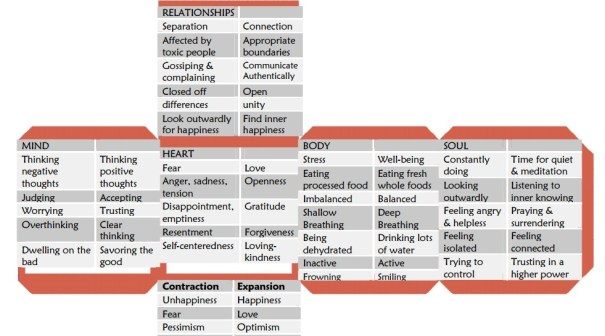
I recently read the book “Happy For No Reason” by Marci Shimoff. The many charts about choosing expansion over contraction were terrific. I was inspired to put them on a photo cube template from HP to make a Happy For No Reason Photo Cube. The HP template is a little small for the photo cube I found, so I needed to cut them out to paste on the inner cube.

With the Photo Cube Companion, you can track time spent on four main areas of development: Physical, Mental, Emotional, and Spiritual.

Posted in Books, personal development

A Tool for Clear Purpose

This is a wonderful tool to clarify what you want to do with your life:

Pave Your Life Roadmap at Idea Sandbox

Don’t miss:

The radar diagram in pdf-a visual map of how you are doing at filling your life with value.

The Life Roadmap Plan in doc-a way to get specific in each life area about what will fill your life with value and how you will bring this into your life. I adjusted it a bit to fit my understanding. Under “enabling activities” I thought in terms of specific action steps that can be done right now: map.pdf

1. Use the radar diagram to identify values/themes. List life areas and ask “What will fill my life with value in this area?”

2. Use the life roadmap to plan steps for specific goals to increase value.

3. Choose three values/themes that you are most passionate about to focus on.

See also Choosing Goals | Clues To Purpose | Map Your Values

More Personal Development Tools 

Posted in personal development

Tracking loving actions

Personal Development System
Part Two: Relationship Tracker Cards relationshipset.pdf

This set includes four cards:

1. list your main primary and secondary relationships.

2. fill out a contact card for each of the relationships you listed.

3. conversation starter card.

4. an emotional account card to track Loving Actions for the Five Love Languages (pdf)

see also What is Your Love Language?

Posted in love & relationships, personal development

Regularly scheduled maintenance

Maintenance may not be generally considered sexy…but perhaps it should be. That which is not maintained disintegrates. This applies to everything…a house, a car, a business, a relationship. This is why we must make choices about what we will invest energy in, and the most efficient methods and the optimum frequency for doing so.

Stephen R Covey and Dr. Harley both talk about the importance of making positive deposits into emotional “bank accounts” and limiting withdrawals from them.

Have a system

I’ve been working on a series of cards that are designed to keep on track with personal development. I plan to publish several that make up a system to track actions in relationships in time for Valentine’s Day. They will include actions you can take to speak in each of the 5 love languages.

Posted in personal development

Have you mastered productivity?

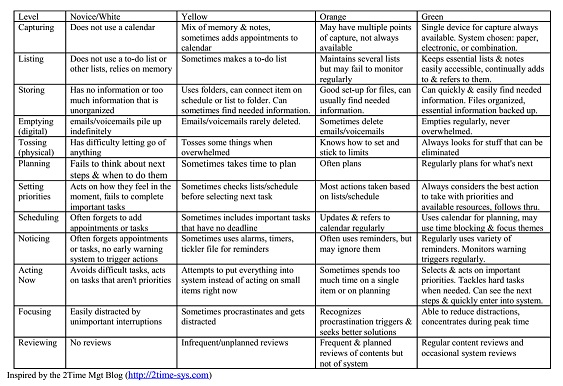
To achieve a black belt level of productivity, there are eleven skills to master.

ProductivityLevels

Download the Productivity Levels pdf

Twelve important skills to master for productivity:
1. Capturing – add appointments, tasks, and ideas to a calendar or system
2. Listing – use a to do list and other lists
3. Storing – organize information in files
4. Emptying (digital) – organize and delete email, texts, and voicemails
5. Tossing (physical) – simplify, shred or recycle unneeded papers, donate or throw out unwanted objects
6. Planning – take time to think and prepare
7. Setting priorities – choose very important pursuits
8. Scheduling – include actions toward important tasks that have no deadline
9. Noticing – use reminders and check system regularly
10. Acting – avoid procrastination, use grit, determination, and other strategies to get motivated
11. Focusing – manage distractions and use peak time for important work
12. Reviewing – schedule a regular time to review progress

Evaluate yourself in each of these areas – which level of skill do you have?
1. White Belt – Beginner
2. Green Belt – Novice
3. Brown Belt – Expert
4. Black Belt – Master
White Belt at the white belt level, you:
Rely on memory, let email/voicemail pile up indefinitely, and have difficulty letting anything go. Don’t use a calendar or to-do list, and have no early warning system to trigger actions. Either fail to act or act on the wrong things and don’t complete them. Don’t do a regular review.
Green Belt at the green belt level, you:
Use a mix of memory & scraps of paper, with piles of notes in various places. Email and voicemail are rarely de-cluttered, and some things are tossed occasionally. Attempt to put everything into system, rather than acting on small items immediately. Use folders, can connect item on schedule or list to folder. Can sometimes find needed information. Use calendar for appointments/meetings and maintain a to do list. Sometimes uses alarms, timers, tickler file for reminders. Sometimes check lists/schedule before selecting next task. Have begun to think of how to prevent problems, and do infrequent, unplanned reviews.
Brown Belt at the brown belt level, you:
May have multiple points of capture that are not always available. Have a better systems for notes, and sometimes de-clutter areas. Update and refer to calendar and to do list regularly. Have a good set-up for files and can usually find needed information. Maintain several lists by may fail to monitor them regularly. Often remember to use reminders. Most actions are based on lists or schedule. Are aware of warning triggers, but may fail to notice them. Do frequent planned reviews of contents of system but not the system itself.
Black Belt at the black belt level, you:
Have a paper, electronic, or combination system chosen and use a single device for capture that is always available. Use a calendar for planning, keep essential lists easily accessible, and continually update and refer to them. Can easily find needed information and always looks for things that can be simplified. Files are organized, and essential information is backed up. Are skillful at selecting priorities and taking action on them. Able to see the next step and quickly enter into system. Regularly use many different methods of reminders. Monitor warning triggers regularly. Perform daily reviews of system content and regular system reviews.

Learn more about productivity skills at Time Management 101.

Posted in productivity

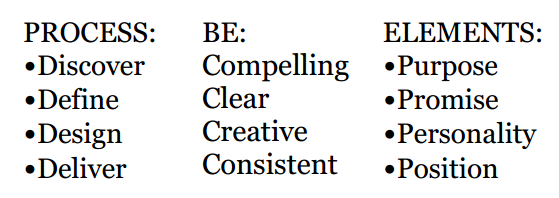
Marketing U: four steps to Discover, Define, Design, and Deliver a personal brand

When networking, interviewing for a job, or pitching an idea to a supervisor or investor, it’s important to communicate the benefit you provide. A personal brand needs to be: Compelling, Clear, Creative, and Consistent. Marketing is about creating interest in what you offer, and marketing yourself has similarities to marketing for profit or non-profit organizations.

Step One: Discover a Compelling Purpose. Assess yourself, uncover hidden talents, and look for clues to purpose. Find the intersection between what you are best at, what you love do, and what the world needs most.

Step Two: Define a Clear Promise. Create a personal mission statement, or Unique Selling Proposition (USP). A value statement communicates who you are, what you do, and why. It tells how you add value, based on your values.

Step Three: Design Creative Personality. Attract and inspire trust with stories and marketing materials that express Personality and the Promise from Step Two.

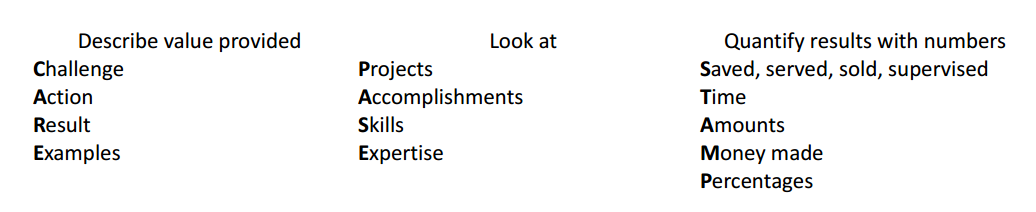
Concentrate on benefits and value provided by features. For a personal brand, features are often expertise or skills, so Collect concrete examples and testimonials. Fish for the hook that will reach people.

Connect with emotions:

Press Play for an appealing brand message. A successful brand message is: Practical, Remarkable, Emotional, Surprising, and uses Storytelling. Create a message that appeals to the motivational drivers of your target audience. To Capture attention make your message sticky with the Success Model from Made to Stick by Chip and Dan Heath and contagious (talks at Google 40:47) with the Stepps Model from Jonah Berger’s “Contagious: Why Things Catch on.”

Design creative marketing materials to communicate the message. Express your authentic style with your choices for colors, fonts, and images. Create graphics for logos and business cards, and a tagline to communicate your brand. Your brand should be consistent across channels: email, resumes, social media and on websites. Marketing materials can range from print materials like business cards and brochures to digital like videos and can vary greatly in cost. Get creative to achieve wow factor without spending a lot.

Step Four: Deliver a Consistent Position. Know Your Target Audience and exceed expectations to Design and Deliver a Delightful User Journey and provide a WOW customer experience. People (and businesses) that are exceptional MAKE U want to work with them (or buy what they are selling). To stand out: go above and beyond, customize offers for a personal touch, delight with beautiful packaging and pleasant surprises, and provide extreme customer service with fast response and follow-through.

  • Make it easy to join in, to reach you
  • Attractive packaging
  • Know your audience
  • Effective marketing
  • Use channels that reach them
  • Above & Beyond
  • Customize
  • Delight
  • Extreme customer service
  • Fast response & follow-through

Definitions from the Marketing Fundamentals Canvas at cezary.co:

  • Brand: a promise to deliver benefits that are different from the competition. Perceptions you want to create with user experience, stories, images, words, name, logo, design.
  • Mission: The purpose and reason for being
  • Vision: Long-term, aspirational goals. What will the world look like in the future if you succeed?
  • Key message: The main idea to communicate

Pinterest Boards on personal branding, design, networking, personas, and user experience.

Additional tools in your marketing toolkit

Find more tools at the Brand and Purpose Toolkit, and at the Discover U Toolkit and Personal Branding at Wakelet.

Tagged with:
Posted in information management, personal development

You might be a digital packrat if…

you bookmarked this article at Zen Habits. (I did)

Posted in productivity

Clues to Purpose

VennDiagramPurpose

Purpose. It’s what lights up your face, it’s what makes it a joy to get up in the morning. It’s what you are excited about sharing with others and what you enthusiastically enjoy talking about. Purpose is about knowing what fills you with energy, what your talents are and how you will use them to add value to life. Purpose is one of the Four Ps of Positive Shift that organizes the 12 practices that have been shown by positive psychology to increase happiness.

Clues to Purpose

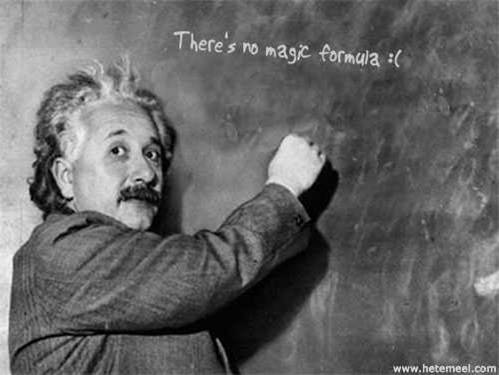
There’s no magic formula

Some people just know. It’s like they were born knowing their talents and purpose. For others, it’s more difficult to identify, clarify and understand our purpose. We must fumble and stumble and feel our way as we attempt to puzzle it out. There’s no magic formula, but there are some things we can do that will unearth clues.

PurposeCard

Download Purpose Pointers pdf

WHO

Who are you? Understand your personality and interests, and who you want to help. Who do you want to help? What causes are you drawn to? What problems do you want to solve? What change do you want to make to improve the world?

WHAT

What are your values? Map your values to know your core values, the personal qualities that are your character strengths, and your personal values. Learn how to create a value statement, the power tool for purpose.

HOW

Discover the skills, strengths, and uncover hidden talents that you will use to pursue your purpose. Find the top online tools to Discover U, and more online resources at the Discover U Toolkit at Wakelet or via Google. With this knowledge, you can begin to fill out a worksheet at Ikigai as a Pathway to Purpose.

WHY

Clues to purpose that are especially powerful.

1. Notice the flow experience

What activities are you doing when you lose all track of time? The flow experience is the perfect balance of challenge and skill.

2. Look at what are you always chasing

“The most successful people are obsessed with solving an important problem that matters to them. They remind me of a dog chasing a tennis ball.” -Drew Houston, founder of Dropbox, said this in an MIT commencement speech. Read more at What are You Passionate About?

3. What you want to build

Meaning is not something you stumble across, like the answer to a riddle or the prize in a treasure hunt. Meaning is something you build into your life.” –John Gardner. Read more at Design Your Life Like an Architect.

4. What you would do if you knew you would not fail?

Graham Weaver describes The Genie Exercise and the Nine Lives Exercise in videos. Also check out: Questions to coach yourself.

It can also help to DREAM:

Tools for Purpose

How to Start a Fire is a free ebook with the best tools I’ve found for discovering passion and purpose. The Discover U Toolkit at Wakelet is full of online tools to explore interests and skills, strengths and talents, personal qualities and values. More links are at the Purpose Pinterest Board. The Daily PlanIt Sticky Wiki is another resource.

Learn more about Purpose Planning strategy with Mission⤍ Vision⤍ Values⤍ Goals.

Books and videos on purpose

Links to TED talks at the Purpose Pathway on Pinterest. Amazon affiliate links to books provide a small commission that helps to support the Daily PlanIt.

The process of discovering your personal brand provides clarity about what you are passionate about. See Resources at the Brand and Purpose Toolkit, and read more at Personal Branding for a Purpose.

Keep looking for those clues…

Posted in personal development

Links for 7-19-07

A sentence from the book Words That Work – It’s Not What You Say, It’s What People Hear by Dr. Frank Luntz: “Education must precede motivation, and even information.”

Idea Sandbox outlines the 7 Levels of Change based on the book by Rolf Smith. This outline is a terrific guide to productivity.

Productivity 501 is a offering The Habit List, a great tool for tracking repeating tasks or habits for RSS subscribers.

Life Optimizer has a nice Map of Personal Effectiveness.

A Menu of Options to Feel Happier by the End of the Day at The Happiness Project.

Posted in productivity
eBooks

Enter your email address to follow this blog and receive notifications of new posts by email.

Archives
Blog Stats
  • 742,916 hits