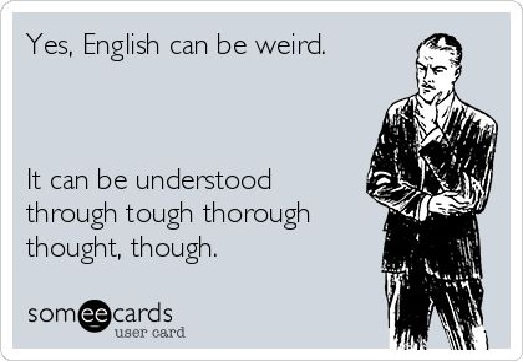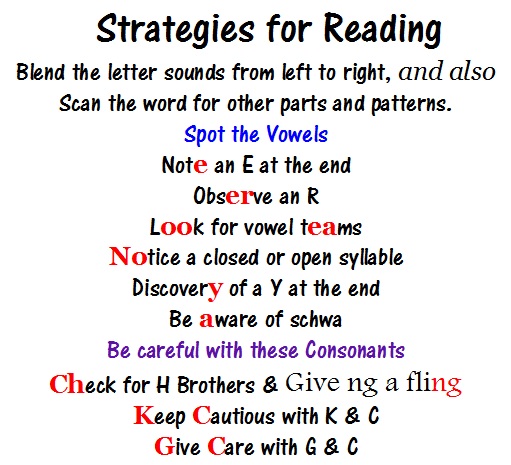
English is weird, oh yes, it is! There are vowels that can be spelled in lots of different ways, consonants that can have different sounds, and lots of exceptions. The rules are more like guidelines that give us a clue.
All things phonics are moving to a new website at www.phonicspow.com…please join us there! Many of the links that were formerly here are now at Sequence for Teaching Reading or follow the links below. Learn more about the Phonics Pow Toolkit now available at Gumroad. Add fun with games, Build skills with memorable introductions, and follow a Color Coded sensible sequence in 260 pages of phonics information. Get word lists, clip strips, word sort games, and more freebies too!
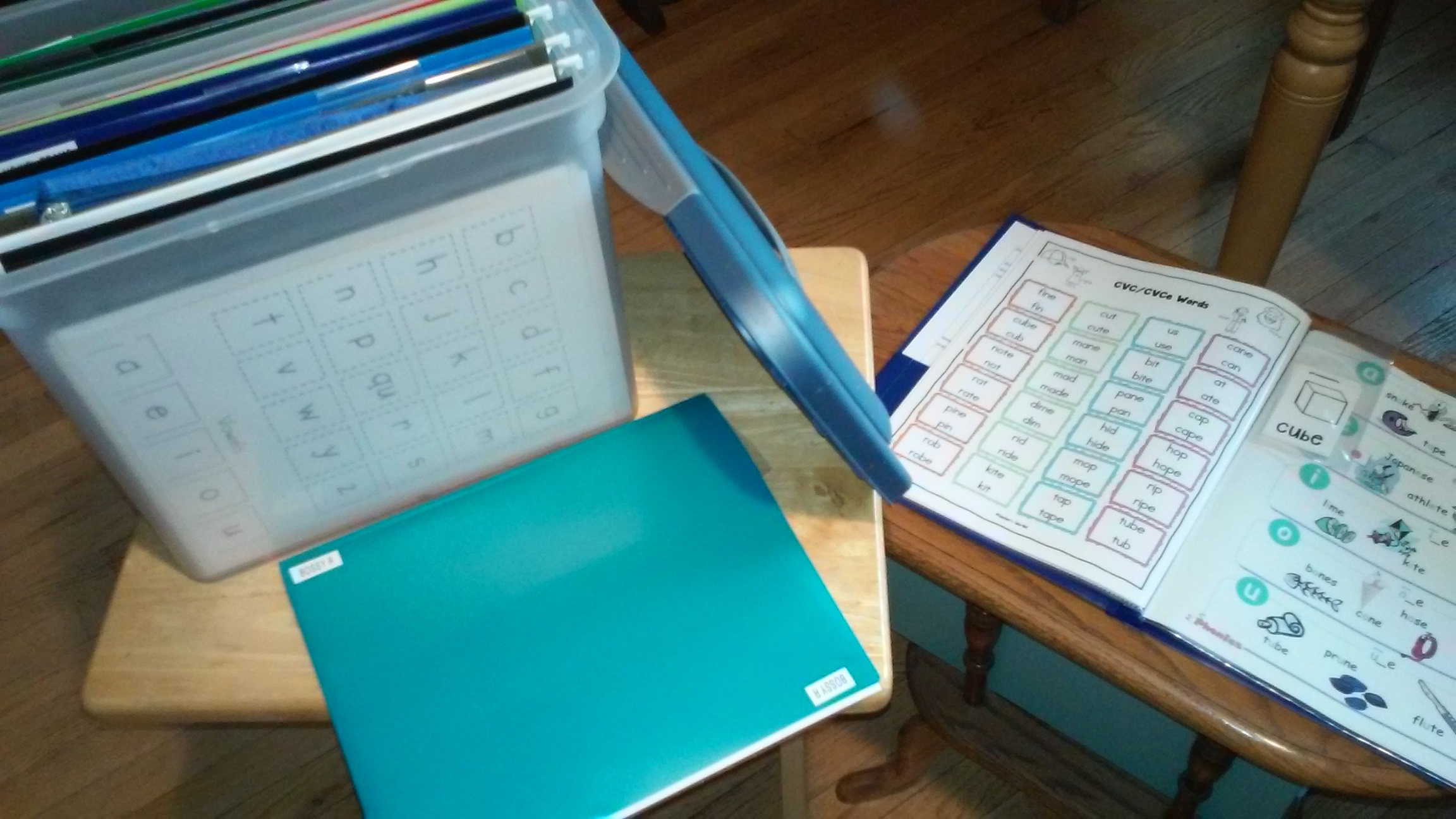
Transparent plastic bingo chips in assorted colors to use as markers for games. (Find them at Oriental Trading Company, or at Mardel.)
A container to draw word cards for sorts (an empty Extra Refreshers gum container works great)
Highlighters
Dry erase markers
Nice to have:
a magnetic whiteboard and letters.
card stock for printing word sorts.
1″ circle punch for soccer word sort games.
The Super Tutor Tools Store at Teachers Pay Teachers has many resources I’ve created for tutoring reading. Most have a small charge, but there are freebies there too.
Download the free Silent e set, which includes resources on silent e from the Phonics Fun Folders set, a Space Race game board from the Phonics Patterns Game Board Set, a page from the Spot and Dot Phonics Patterns set, and a Soccer Sort Game. Add these sets for fun ways to learn phonics. Download a pdf Chart to see the options for resources at the Supter Tutor Tools Store at Teachers Pay Teachers.
More Free Phonics Resources:
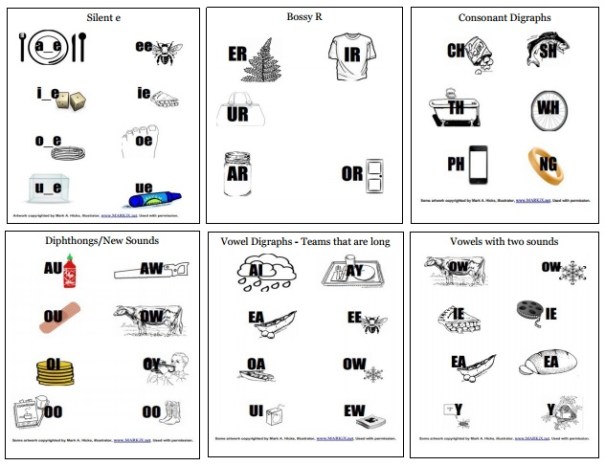
Bookmark Set Freebie – These bookmarks include Write the Pattern activities for many Phonics Patterns.
Pattern Chart Set Freebie – These can be used as sort mats, posters, or printed on business cards for other sorts. Credits: Some artwork copyrighted by Mark A Hicks, illustrator, www.MARKiX.net. Used with permission. Sources for other graphics at Pinterest.
With a Phonics Kit you have the needed tools to help students learn reading skills!
Do you dread the question, “What’s for dinner?” Deciding what to cook is the hardest part. Get your copy of Simply Dinner: The Game Plan, an eCookbook that will take the pain out of meal planning and help you get your dinner done. It includes 28 easy, basic entree recipes designed for a low-carbohydrate diet using ordinary ingredients. (please note this is not a vegetarian cookbook.) Plus 12 more recipes for vegetables, dessert, & misc., for a total of 40 recipes. Check out the list of recipes included. The recipes pair perfectly with a simple system for choosing meals.
But that’s not all! Solve the dinner dilemma and end dinner drudgery with: a month of menus, a blank recipe card template, a low-carbohydrate grocery list, a contact grill chart and a list of foods with 15 grams of carbohydrate. Easily add your own recipes and customize for what works for you. Just print to keep in a binder with tabs, or print recipes on card stock and cut out to use in a 3 x 5 card file. A perfect gift for: graduates, new couples, single people, or anyone trying to get dinner done!
BRAND: a promise to deliver benefits that are different from the competition.
When you know your brand, you will know how to plan.
The tools for strategic planning are geared toward developing a personal brand, but many can also help for business branding. A few that are for business branding can be adapted for a personal brand. Don’t miss all the tools at the Brand and Purpose Toolkit, including an editable Venn diagram for Mission, Vision and Values. Explore the Discover U Toolkit and Personal Branding at Wakelet.
What problem do you always want to solve? What are your top values? What is your purpose? What will the world look like in the future if you solve the problem?
What do you do? How do you solve the problem that you are always chasing? Which channels will be most effective at reaching your target audience and getting your message across? How can you connect to a social cause you believe in?
What do you need to measure to know when you are reaching your goals? What are the benefits of what you do? Who are you trying to reach with your message?
How can you most effectively communicate your message verbally and in print? How do you want people to feel when they interact with you? Are people delighted by their interactions with you? Do you provide value? Do you respond promptly? Do your social media pages and promotional pieces clearly communicate your message?
GREAT Skills are a) in demand in the workplace b) rarely taught, and c) very helpful in all areas of life! GREAT Skills Trading Cards provide key information from experts for learning these skills. The links below lead to more resources.
This Trading Card Set features information on Productivity, and includes:
David Allen, author of “Getting Things Done” (the system)
Stephen R Covey, author of “First Things First” and “Seven Habits of Highly Effective People.” (the focus)
Tony Schwartz, author of “The Way We’re Working Isn’t Working.” (the routine)
Kerry Gleason, author of “The Personal Efficiency Program.” (the plan)
Vishen Lakhiani, author of “The Code of the Extraordinary Mind.” (the goal)
There are four important elements of productivity: The System, The Routine, The Focus, and The Plan. The first four authors each contribute to understanding the four elements, and Vishen Lakhiani provides an understanding of End vs Means goals.
I came across a BIG idea recently. In the book “The Code of the Extraordinary Mind,” Vishen Lakhiani talks about the difference between means goals and end goals.
Means goals vs End goals
A means goal is motivated by the thought that it will lead to something else in the end. It is the means to how you get something else. A means goal can be one of many possible paths to reach an end goal. For example, a means goal might be saving money so that you can go to college. In the video below, Vishen uses the example of pursuing a college degree. If the motivation is the benefits once it is completed, it is a means goal. If the motivation is that you love education and want to learn, it is a end goal.
End goals speak to our hearts, and are more meaningful. (a little ironically) When we pursue a means goal, we believe “If only I had this [fill in the blank] I would be happy.” With means goals we are seeking future benefits, sometimes to the detriment of present happiness, and based on guesswork about what will make us happy that can often be wrong. With end goals we directly experience happiness as we pursue something that we love. Setting end goals leads to a journey that makes you happy.
“Happiness is a journey, not a destination.” -Alfred D Sousa
“The point is not the end of the journey…Remember to sing and dance along the way.” –Alan Watts
Think of experiences you want that will lead to positive emotions.
Decide how you will grow to create these experiences and make these contributions.
Setting End Goals is a huge shift! Suddenly, goals are about what you CREATE, not about what you HAVE! End goals still need to be attainable, but making this shift is empowering and you have a lot more fun on the journey. You can’t buy happiness, but you can create it when you follow the BE MEASURING practices and set meaningful end goals.
Vishen Lakhiani on the difference between means goals and end goals…
When you know how you want to contribute, you know the right direction to go. There may be many possible paths to take, different means goals to achieve the end goals. The biggest obstacle to a meaningful journey is not knowing how you want to contribute. Discover how to Uncover Hidden Talents and create a value statement that pinpoints what you do and why.
In the following video, “Why Happiness is the New Productivity,” Vishen talks about the Four Different States of Mind. He calls these: 1. The Negative Spiral, 2. The Current Reality Trap, 3. Stress & Anxiety, and 4. Bending Reality. To Bend Reality, combine happiness in the present with a vision for the future to find flow. Make shift happen by creating something now while moving forward, compelled by a vision for the future.
With these tools, you can set some goals, make resolutions, and track your progress. I made these to add to my Planner binder in 2017, but they still work well! Don’t forget to grab a copy of the printables at An Annual Review too!
For each area, think of one word that describes what you want to CREATE.
Next, think of what you need to DO to make that happen.
Pick a few goals that are the most meaningful, and make them SMART.
Break the goals into smaller steps.
Track your progress.
Resolutions
Download Resolutions on a one page printable, with a visual cue for different areas. Make your resolutions SMART with ideas for metrics to track at An Annual Review.
HABIT SCORECARD
With this Habit Scorecard, you can track 6 daily habits at a time.
Check out movie trailers at the Internet Movie Database:
Hidden Figures by Margot Lee Shetterly (6 January 2017, Rated PG) Live by Night by Dennis Lehane (13 January 2017, Rated R) A Dog’s Purpose by W. Bruce Cameron (27 January 2017, Rated PG)
Brain Facts: The human brain weighs about 3 pounds and is 75% water. It uses about 20% of the oxygen in the body. The brain is very complex, but a few Brain regions at Brainfacts.org include the prefrontal cortex which is responsible for executive functions, and the amygdala, where the fight or flight response takes place. There are five kinds of brain waves, and the brain is influenced by chemicals known as neurotransmitters. Amazon affiliate links to books in the post below provide a small commission to help support the Daily PlanIt.
Keep track of small wins: Nicole Vignola Reclaim your brain Big Think video (6:25)
Maybe try some brain games.
Scientific American debates the effectiveness at brain games at Brain Games: do they really work. See one man’s experience at Training my Aging Brain from Discover magazine. But if you’d like to try a few just in case, there are some free online brain games at this Pinterest Board.
GREAT Skills are a) in demand in the workplace b) rarely taught, and c) very helpful in all areas of life! The GREAT Skills Trading Cards provide key information from experts for learning these skills. The links below lead to posts at The Daily PlanIt with more resources. This set on the brain and motivation is available for download at slideshare.