
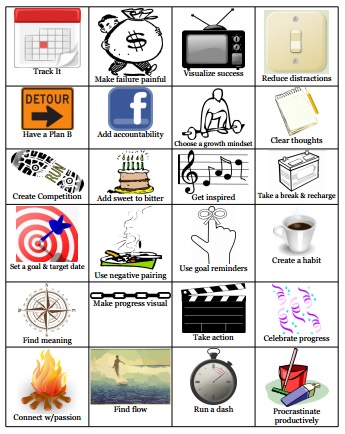
Anyone who has attempted to follow through on a resolution knows just how hard it is to stay focused and maintain motivation. Whether we want to create a habit or work toward another type of goal, we need all the help we can get. Enter Alex Vermeer‘s strategies for overcoming procrastination, plus a few extra tips.
PLAN
For any type of goal, decide when and where you will do it. Choose the best time to work on it, and organize all the resources you will need. Do you need to buy a workout dvd, workout clothes, a set of weights, a gym membership?
To change a habit, first identify the cue, the routine, and the reward, then change the routine. (from Charles Duhrigg, author of “The Power of Habits”) If you reach for potato chips while watching television, keep gum by the couch and/or put an exercise bike nearby.
 Know that willpower is 1) a limited resource, and 2) can be strengthened. (from Roy Baumeister, author of “Willpower.”) See if you can resist an impulse a little longer each time, or try meditation to strengthen willpower. Plan what you will you do when willpower is low. Distract yourself, and reduce or eliminate temptations if possible. Don’t watch commercials. Can you put potato chips out of sight and high out of reach? Or don’t buy them at all?
 Make change as easy as possible. Shawn Achor’s 20 second rule says that if you can make a positive habit 3 to 20 seconds easier to start, your likelihood of doing it increases dramatically. Take small steps. B J Fogg advocates Tiny Habits in his TED Talk, “Forget big change, Start with a Tiny Habit, and has created a helpful tool called the Behavior Wizard.Can you make a positive habit easier to do, or a negative habit harder to do? What is one small step in the right direction that you can take?
 Tip the scales by stacking the deck. On one side of the scale are all the reasons you don’t want to do something: excuses, the time cost, etc. On the other side are all the reasons you do want to do something: the benefits, rewards, etc. You aren’t going to invest your resources in something that doesn’t provide enough value to offset the price. We’ve got to stack the deck in favor of motivation with plenty of benefits to outweigh the costs and tip the scales.
 Have a plan B, a back-up plan in case you encounter obstacles. Music is essential to my workout, so I keep extra earbuds in the glove compartment in case I forget to bring them. If you are trying to quit smoking, can you substitute something else like gum instead of cigarettes?
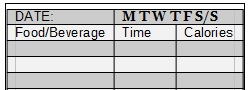 Track it. We tend to under-estimate how many high calorie snacks we eat, and how much time we waste on social media or other things. Tracking it can provide an eye-opening surprise.
 Create competition. Aim to increase how much weight you can lift, or plan to compete in a marathon.
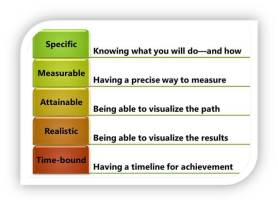 Set a goal and make it SMART: Specific, measurable, attainable, realistic, and time-bound.
 It’s hard to maintain motivation when the results you seek are far in the future. Break large goals into smaller steps, with small rewards for reaching each target.
MOTIVATE
Use incentives and rewards.
 Make failure painful…put money on the line and lose it if you fail.
 Add accountability…report progress (or lack of it) to others. Social pressure can be effective.
 Add sweet to the bitter. Add a positive experience to sweeten one that is unappetizing. Choose something that won’t undermine the results you want. Instead of eating cupcakes while exercising, try watching a show that you enjoy and look forward to seeing.
 Use negative pairing. Reduce temptations by imagining something negative connected with them.
 Make progress visual. Choose a habit tracker app, use a Seinfeld chart, or simply mark a calendar. Expect that habits take an average of 66 days to achieve.
 Visualize success. Imagine your future self, and how good you will look and feel when you exercise, quit smoking, or whatever. You might want to make a vision board.
 Choose a growth mindset, a belief that abilities can be developed. (from Carol Dweck, author of “Mindset”)
Get inspired. Read books or articles, watch movies or videos, listen to music that you find inspirational. Just don’t do it all day.
 Find meaning. Remind yourself why you want to accomplish it. (from Simon Sinek, author of “Start With Why”)
 Connect with passion. If you can connect a task with something you are passionate about, you gain intrinsic motivation. When it comes to creating habits this may be challenging.
GET GOING
 Use Reminders. Set a timer, put your gym bag in front of the door, and keep your goals visual and visible.
 Take action…begin, even if you don’t really want to.
 Run a “Dash”…commit to only five minutes and you might just keep going.
 Find flow, the sweet spot where challenge and skill are perfectly in balance and you lose all track of time.
KEEP GOING
 Reduce distractions. If focus is needed, turn off notifications and use headphones.
 Clear thoughts. Write down thoughts that are distracting you from what you need to do.
 Take a break and recharge. Notice when your energy is low, and recharge with activities that will truly revive you.
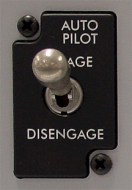 Create a habit and use the power of a routine. Simplify life and engage auto-pilot for routine tasks to reserve your energy for tasks that require willpower and brain-power!
 Celebrate progress!!! Check in regularly to look over results and congratulate yourself.
If all else fails
 Procrastinate productively. If you’re not going to do what you planned, at least accomplish something else that needs to be done!
Get motivated with 25 Quotes and Affirmations to Finally Defeat Procrastination!

See also Make Good Habits Easy, and Bad Habits Hard | The Science of Goals Infographic









 Daily PlanIt